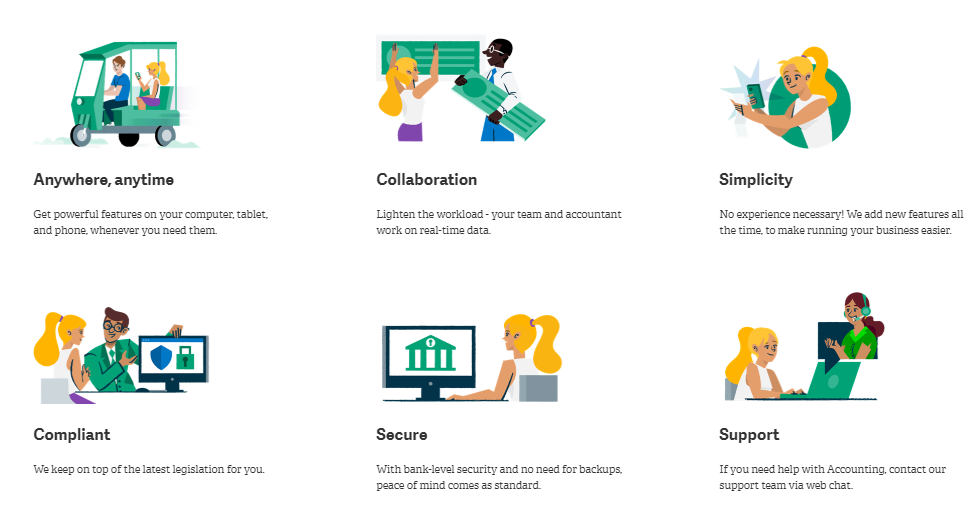

Welcome to our article on Sage Cloud Pricing, where we explore the cost-effective solutions that Sage Cloud offers for your business needs. Sage Cloud provides a range of pricing options that can help you streamline your operations and save money in the long run. Whether you are a small business looking for affordable accounting software or a larger enterprise in need of robust financial management tools, Sage Cloud has a solution for you. Keep reading to learn more about how Sage Cloud can benefit your business.
Understanding Sage Cloud Pricing
When it comes to understanding Sage Cloud Pricing, it’s essential to break down the costs associated with using this cloud-based accounting software. Sage offers several pricing tiers based on the size and needs of your business, with options ranging from individual users to larger enterprises. The pricing model is typically based on a subscription basis, with monthly or annual fees depending on your preference.
One of the key factors to consider when looking at Sage Cloud Pricing is the number of users you need for your account. Sage offers different user levels, such as single-user, multi-user, or enterprise-level accounts. The more users you have, the higher the cost will be, but this allows for collaboration and access to real-time data for all team members.
In addition to the number of users, the features and capabilities of each pricing tier should also be taken into account. Sage offers a range of tools and functionality, such as invoicing, inventory management, and financial reporting, with more advanced features available in higher-priced plans. It’s important to assess your specific needs and choose a plan that aligns with your business goals and budget.
Another factor that can impact Sage Cloud Pricing is the level of customer support and training included in your subscription. Some plans come with access to a dedicated account manager, live chat support, and online training resources, which can be valuable for businesses that need extra assistance. However, these added services may come at a higher cost, so it’s worth considering how much support you require.
When comparing Sage Cloud Pricing to traditional on-premise software, it’s important to consider the overall cost savings and benefits of using a cloud-based solution. With cloud software, you don’t have to worry about hardware maintenance, software updates, or data backups, as everything is managed by the provider. This can lead to cost savings in the long run and allows you to focus on growing your business rather than IT management.
In conclusion, understanding Sage Cloud Pricing involves evaluating the number of users, features, customer support, and overall benefits of using a cloud-based accounting solution. By carefully assessing your needs and budget, you can choose the right pricing tier that meets your requirements and helps you streamline your financial processes.
Factors Influencing Sage Cloud Pricing
When it comes to determining the pricing of Sage Cloud services, there are several factors that come into play. Understanding these factors can help businesses make informed decisions about investing in Sage Cloud solutions.
One of the main factors that influence Sage Cloud pricing is the level of customization required. Every business is unique, with different needs and requirements. Some businesses may require basic cloud services, while others may need more advanced features and functionalities. The more customized the solution needs to be, the higher the cost is likely to be. This is because customized solutions require more time and effort to implement and maintain. Additionally, businesses that require high levels of security and compliance may also incur additional costs.
Another factor that can impact Sage Cloud pricing is the size of the business. Larger businesses with more users and data will generally have higher pricing compared to smaller businesses. This is because larger businesses require more resources and storage space, which can drive up the cost of the cloud services. Additionally, larger businesses may also require more advanced features and functionalities, which can also contribute to higher pricing.
Additionally, the level of support and service required can also affect Sage Cloud pricing. Some businesses may opt for basic support options, while others may require round-the-clock support and dedicated account managers. The more support and service a business requires, the higher the cost is likely to be. This is because providing high levels of support and service requires additional resources and personnel, which can increase the overall cost of the cloud services.
Furthermore, the billing structure and payment options can also play a role in determining Sage Cloud pricing. Some businesses may prefer a pay-as-you-go model, while others may opt for a monthly or annual subscription. The billing structure chosen can impact the overall cost of the cloud services, so businesses should carefully consider their budget and payment preferences when selecting a pricing plan.
Lastly, competition and market trends can also influence Sage Cloud pricing. As the cloud computing market continues to evolve, providers may adjust their pricing strategies to remain competitive. Businesses should keep an eye on market trends and compare pricing options from different providers to ensure they are getting the best value for their investment.
Comparing Sage Cloud Pricing Plans
When it comes to choosing a pricing plan for Sage Cloud, there are several options to consider. Each plan offers different features and benefits, so it is important to compare them to determine which one best suits your needs.
The first plan to consider is the Sage Cloud Basic plan. This plan is the most affordable option and is best suited for small businesses or startups. With the Basic plan, you will have access to basic accounting features, such as invoicing, expense tracking, and financial reporting. However, this plan may be limited in terms of user access and storage space, so it may not be suitable for larger businesses or those with complex accounting needs.
The next plan to consider is the Sage Cloud Standard plan. This plan is ideal for medium-sized businesses that require more advanced accounting features. With the Standard plan, you will have access to additional features such as inventory management, project tracking, and multi-currency support. This plan also offers more user access and storage space, making it a good option for businesses that are growing and need room to expand.
Finally, the Sage Cloud Premium plan is the most comprehensive option and is best suited for large businesses with complex accounting needs. With the Premium plan, you will have access to all of the features offered in the Basic and Standard plans, as well as additional benefits such as advanced analytics, customizable reports, and dedicated support. This plan also offers unlimited user access and storage space, making it ideal for businesses with a large number of employees or high volumes of data.
When comparing Sage Cloud pricing plans, it is important to consider your specific business needs and budget. Take the time to evaluate the features and benefits of each plan to determine which one offers the best value for your money. Additionally, consider factors such as scalability and customer support to ensure that you are making the right decision for your business.
Tips for Managing Sage Cloud Pricing Costs
Managing Sage cloud pricing costs can be challenging, but with the right strategies in place, you can optimize your spending and get the most value out of your investment. Here are some tips to help you manage your Sage cloud pricing costs effectively:
1. Understand Your Usage: The first step in managing Sage cloud pricing costs is to understand how you are using the platform. Take the time to review your usage patterns and identify any areas where you may be overspending or underutilizing resources. By gaining a clear understanding of your usage, you can make informed decisions about how to optimize your spending.
2. Set Budget Limits: Once you have a good understanding of your usage patterns, it’s important to set budget limits to ensure you stay within your financial constraints. By setting clear budget limits, you can avoid overspending and make better decisions about when and how to scale your usage up or down based on your needs.
3. Monitor and Track Spending: It’s crucial to monitor and track your spending on Sage cloud pricing regularly. By keeping a close eye on your expenditures, you can identify any unexpected costs or trends that may be impacting your budget. Use reporting and analytics tools to track your spending and identify areas where you can make improvements.
4. Optimize Resource Allocation: One of the most effective ways to manage Sage cloud pricing costs is to optimize your resource allocation. By identifying which resources are essential to your operations and which ones can be scaled back or eliminated, you can ensure that you are only paying for what you truly need. Consider conducting regular reviews of your resource allocation and adjusting as needed to optimize your spending.
5. Take Advantage of Discounts and Promotions: Keep an eye out for discounts and promotions from Sage cloud pricing that can help you save money on your subscription. Whether it’s a special offer for new customers or a discount for upgrading to a higher-tier plan, taking advantage of these opportunities can help reduce your overall costs.
6. Consider Managed Services: If managing Sage cloud pricing costs is becoming overwhelming, consider enlisting the help of a managed services provider. These professionals can help you optimize your spending, identify areas for cost savings, and ensure that you are getting the most value out of your investment in Sage cloud pricing.
By following these tips for managing Sage cloud pricing costs, you can optimize your spending, maximize the value of your investment, and ensure that you are getting the most out of this powerful platform.
Value-Added Services Included in Sage Cloud Pricing
When choosing a cloud-based accounting software like Sage Cloud, it’s important to consider the value-added services that come with the pricing package. These services can help enhance the overall functionality and user experience of the software, making it more valuable for your business. Here are some of the key value-added services included in Sage Cloud Pricing:
1. Data Security and Backup: One of the most important value-added services included in Sage Cloud Pricing is data security and backup. With Sage Cloud, your financial data is stored in a secure cloud environment with multiple layers of security to protect against cyber threats. Additionally, regular data backups are performed to ensure that your information is always safe and accessible, even in the event of a system failure or data loss.
2. Automatic Software Updates: Another valuable service included in Sage Cloud Pricing is automatic software updates. As technology evolves and new features are introduced, it’s important to keep your accounting software up to date. With Sage Cloud, updates are automatically pushed out to users, ensuring that you always have access to the latest tools and functionalities without any additional cost or effort on your part.
3. 24/7 Technical Support: Sage Cloud Pricing also includes 24/7 technical support for users. Whether you’re experiencing a software issue, have a question about how to use a particular feature, or need help troubleshooting a problem, the Sage support team is available around the clock to provide assistance. This ensures that you can always get the help you need, whenever you need it, ensuring minimal downtime and maximum productivity for your business.
4. Multi-User Access: With Sage Cloud Pricing, users also have the option to grant multi-user access to the software. This means that multiple employees can access the accounting software simultaneously, making collaboration and workflow management more streamlined and efficient. Whether you have a small team or a large department, multi-user access can help improve communication and productivity within your organization.
5. Customization and Integration: One of the most valuable aspects of Sage Cloud Pricing is the ability to customize and integrate the software with other applications and systems. Sage offers a range of add-on modules and integrations that allow you to tailor the software to meet the specific needs of your business. Whether you need to integrate with your CRM system, e-commerce platform, or project management software, Sage Cloud makes it easy to create a customized solution that works for you.
Overall, the value-added services included in Sage Cloud Pricing can help enhance the functionality, security, and flexibility of the software, making it a valuable asset for your business. By taking advantage of these services, you can streamline your accounting processes, improve collaboration within your organization, and stay ahead of the competition in today’s fast-paced business environment.